
As electrification accelerates, organizations must navigate rising energy costs, increasing electricity demand, and evolving compliance requirements to protect budgets and maximize long-term value.
Across the Northeast, organizations are accelerating electrification efforts to reduce fossil fuel dependence, improve efficiency, and meet sustainability goals. From replacing traditional heating systems with electric alternatives to adopting EV fleets and electric-powered equipment, electrification is transforming how buildings consume energy.
However, as electricity becomes increasingly central to operations, organizations face a new challenge: managing the financial and regulatory impacts of this transition.
Electrification can create “double trouble” through increasing energy consumption and rising energy costs. At the same time, evolving emissions regulations add a third challenge, creating a “triple threat” that can significantly impact operating budgets and long-term planning. The organizations that proactively address these challenges through strategic energy planning, solar, and energy storage will be best positioned to control costs, maintain compliance, and maximize the benefits of electrification.
What is “Double Trouble”?
Electrification delivers many benefits, but it also changes an organization’s energy profile.
As buildings transition from fossil fuel-based systems to electric technologies, including heat pumps, EV charging infrastructure, and electric equipment, electricity consumption increases. While this transition supports sustainability goals, it can also lead to higher operating expenses.
At the same time, electricity costs across the Northeast continue to rise. Electricity rates have increased by approximately 3.2% annually in recent years (data courtesy: US Bureau of Labor Statistics, April, 2024), with continued volatility expected as utilities invest in grid modernization and infrastructure upgrades needed to support widespread electrification.
For organizations, this creates a dual challenge:
More electricity consumption + higher energy costs = “Double Trouble.”
Without proactive energy planning, electrification investments can unintentionally create additional financial pressure through increased utility expenses.
The “Triple Threat” of Electrification
Beyond higher energy usage and rising costs, organizations must also navigate a rapidly evolving regulatory environment.
Across the Northeast, states and municipalities are implementing increasingly stringent emissions-reduction targets, benchmarking requirements, and building-performance standards. Compliance is no longer optional; it is becoming a fundamental consideration in long-term facility planning.
This creates a three-part challenge:
1. Rising Energy Costs
Utility rates continue to increase, driven by infrastructure investments, market conditions, and grid modernization efforts.
2. Increasing Energy Consumption
Electrification requires more electricity to power heating systems, transportation, and equipment that previously relied on fossil fuels.
3. Evolving Compliance Requirements
New and expanding emissions regulations require organizations to track, reduce, and report their energy and carbon impacts.
Together, these challenges create a “triple threat” to operational budgets and sustainability goals.
Watch: Understanding the Double Trouble and Triple Threat of Electrification
Electrification is creating a new energy landscape for organizations across the Northeast. This video explores how rising energy costs, increasing electricity consumption, and evolving compliance requirements are converging to create new challenges, and how solar and energy storage can help organizations take control of their energy future.
Electrification: The Source of Energy Matters
Electrification alone does not guarantee meaningful environmental benefits. The source of electricity matters.
Replacing fossil fuel-powered systems with electric alternatives, such as heat pumps, EV fleets, and electric equipment, can significantly reduce emissions. However, the overall impact depends on how that electricity is generated.
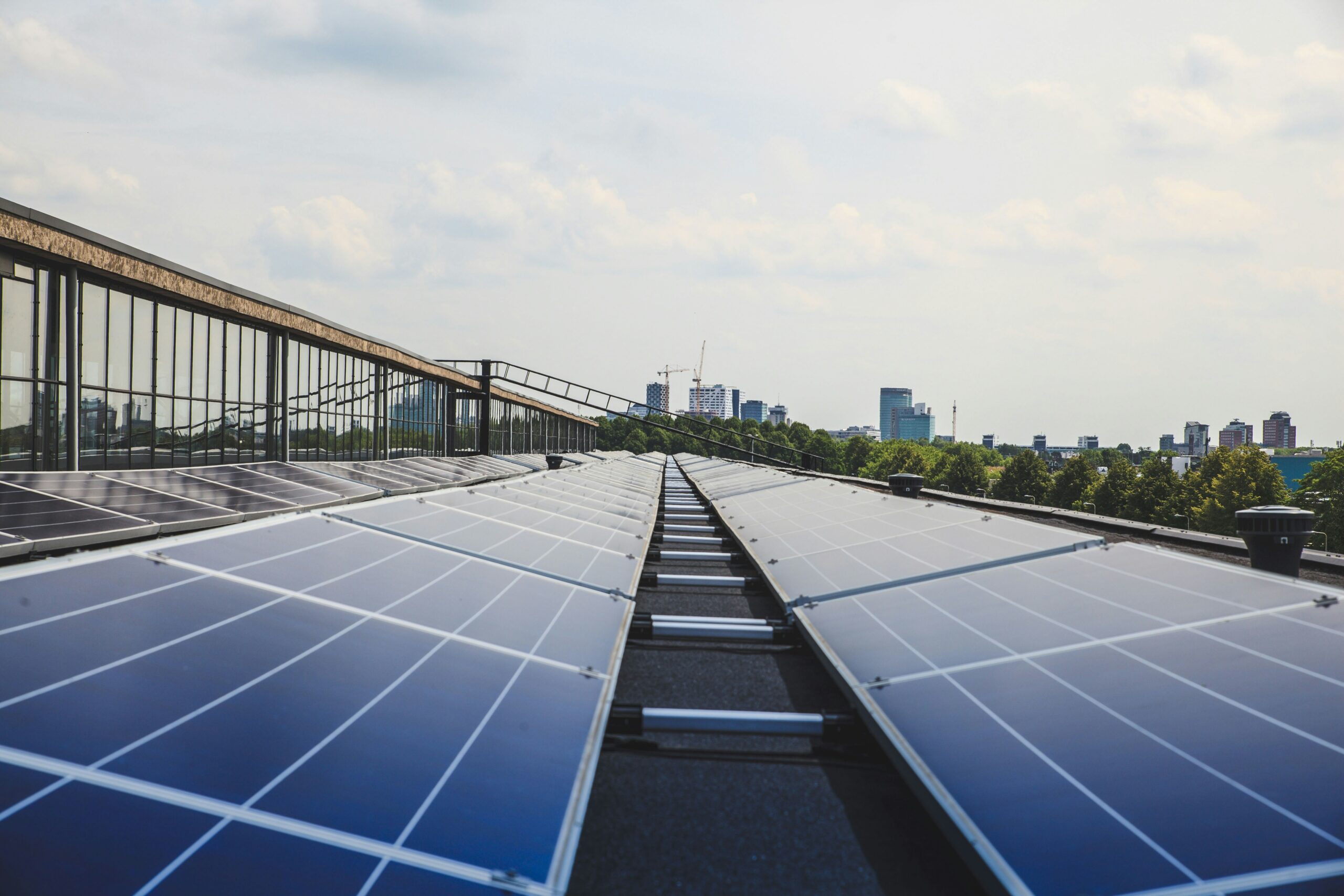
Onsite solar provides organizations with renewable electricity generated where it is consumed, reducing dependence on grid-supplied power and helping offset increasing energy demand.
For facilities with growing electricity needs, combining solar with energy storage provides an additional advantage by improving energy resilience, managing consumption, and creating greater control over long-term energy costs.
Turning Electrification Challenges into Opportunities
While rising costs, increased electricity demand, and regulatory requirements create challenges, they also present an opportunity for organizations to rethink how they manage energy.
A strategic solar and storage approach can help organizations:
- Reduce reliance on increasingly expensive grid electricity
- Offset additional electricity consumption from electrification
- Improve predictability of long-term energy costs
- Support compliance with evolving emissions requirements
- Advance sustainability goals
Rather than viewing electrification as simply a technology upgrade, organizations should approach it as part of a broader energy strategy.
Preparing for the Future of Energy
The transition to electrification is already underway. Organizations that wait to address rising energy costs, increased consumption, and evolving compliance requirements may face greater financial and operational challenges in the future.
By proactively integrating solar, energy storage, and strategic energy planning, commercial, nonprofit, and public-sector organizations can navigate the challenges of electrification while maximizing financial and environmental benefits.
Don’t let double trouble and triple threat impact your energy future. Partner with Solect to develop a customized solar and storage strategy that aligns with your goals, reduces costs, and supports long-term success.
Next Steps
Contact us today about solar modeling and design coordination for this year, next year, or beyond. Email info@solect.com, call 508-598-3511, or submit this form to get started.
July 9, 2026