
Commercial real estate owners increasingly focus on maximizing asset performance by driving net operating income (NOI) and positioning properties to remain competitive as market conditions evolve. One opportunity gaining traction is converting unused rooftop space into a long-term revenue stream through a solar site lease.
Rooftop Solar Site Lease — At a Glance
- Investment required: None
- Revenue source: Lease payments from a solar developer
- Typical lease term: 20–25 years
- Impact on NOI: Increases NOI with predictable, long-term income
- Upfront payment option: Available in some cases for roof or capital improvements
- Ownership & operations: System owned, operated, and maintained by the developer
- Ideal building size: 30,000+ square feet of usable roof space
- Best-fit property types: Industrial, warehouse, flex, distribution, large retail
- Effect on tenants: Minimal disruption; no impact on interior space
- Property sale: Lease is typically transferable to a new owner
What Is a Rooftop Solar Site Lease?
A rooftop solar site lease is a third-party ownership arrangement. In this model, a solar developer leases roof space from a building owner and then finances, builds, owns, and operates a solar array on that roof for its full useful life which is typically 20 to 25 years. The property owner continues to own and operate the building as usual, while receiving lease payments for the rooftop space. The solar developer assumes responsibility for all aspects of the system, from design and construction through long-term operation and maintenance.
From a commercial real estate perspective, solar functions much like a long-term tenant occupying space that would otherwise generate no income.
What Is the Investment Required?
None. Under a rooftop solar site lease, there is no upfront capital investment required from the property owner. The solar developer covers all project costs, including engineering, permitting, construction, interconnection, and monitoring and maintenance.
For owners seeking new revenue streams without deploying capital or increasing operating complexity, this structure offers a rare combination: predictable income with no balance sheet impact.
Solar as the Ideal Long-Term Tenant
When evaluated using traditional commercial real estate criteria, a rooftop solar tenant performs exceptionally well:
- Lease terms typically span 20–25 years
- Lease payments are predictable and contractually defined
- The system occupies unused roof space only
- There is no impact on interior square footage, parking, or tenant operations
- No turnover risk and no tenant management issues
In an unpredictable leasing environment, few tenants offer this level of stability.
NOI Impact and Long-Term Asset Value
Rooftop solar lease payments directly increase NOI, which can enhance asset value depending on capitalization assumptions. Because the income stream is long-term and contractual, it is often viewed as low-risk and high-quality revenue. For portfolio owners, rooftop solar site leases can improve property-level cash flow, diversify income sources, and enhance appeal to buyers and lenders seeking stable returns. Importantly, solar revenue is additive. It does not interfere with existing leases or future tenant strategies
Why Timing Matters for Rooftop Solar Leases
Recent changes to federal solar incentives have altered the flexibility of project timelines. To qualify for the full 30% Investment Tax Credit (ITC) and secure the most favorable lease terms, timing is now a critical factor. Under current “Safe Harbor” provisions, projects that are contracted before July 4, 2026, can benefit from an extended development window, with a “placed-in-service” deadline as late as December 31, 2030. In contrast, projects contracted after July 4, 2026 must be operational by the end of 2027 to qualify. Later contracting does not eliminate opportunity, but it reduces flexibility.
We chose Solect due to their approach to understanding our commercial property management needs and leveraged their solar expertise to deliver a clean energy solution aligned with our operational and financial requirements.— Doug Freeman Principal, Capital Group Properties
Which Properties Are Best Suited for Rooftop Solar?
While each site is evaluated individually, strong candidates typically include:
- 30,000+ square feet of usable roof space
- Structurally sound roofs with sufficient remaining life
- Industrial, warehouse, flex, distribution, or large retail properties
- Long-term site control and stable ownership
Many owners are surprised to learn that rooftops already meeting these criteria can generate meaningful revenue with minimal effort.
Upfront Lease Payments for Capital Improvements
In some cases, rooftop solar site leases can include an upfront lease payment, paid at the beginning of the contract term. This upfront revenue may be used to offset roof replacement or repairs, address deferred maintenance, or fund capital improvements that increase tenant appeal
In effect, the solar tenant can contribute to improving the building before the system is installed, aligning the project with long-term asset needs.
Leasing Your Rooftop to Solect Energy
Solect Energy works with commercial property owners across the Northeast to transform underutilized rooftops into reliable, long-term revenue-generating assets.
Solect manages the full process—from feasibility and engineering through financing, construction, interconnection, and long-term operations. This allows building owners to benefit from solar without taking on risk or complexity.
For owners looking to improve asset performance, a rooftop solar site lease offers a straightforward opportunity: a dependable tenant, predictable income, and no capital investment.
Does Your Rooftop Qualify for a Solar Site Lease?
Schedule a brief conversation to find out. Call 508-598-3511, email info@solect.com, or use the button below. It could be one of the best financial decisions you make today.
More From Our Blog
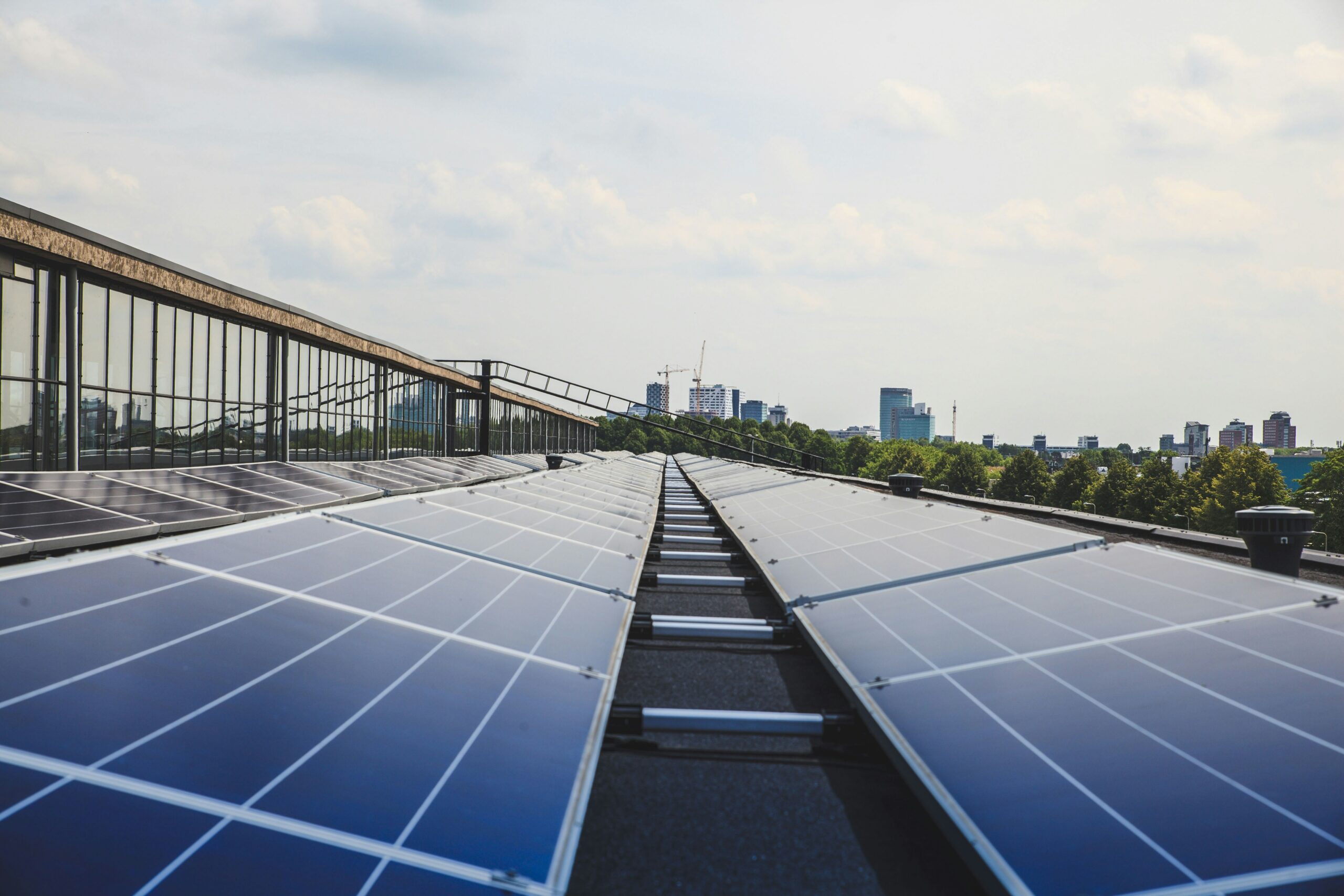
Site Assessment
Property Checklist: Is Your Site a Good Fit for Solar?
Evaluate your property’s solar potential with our comprehensive checklist before making the leap.
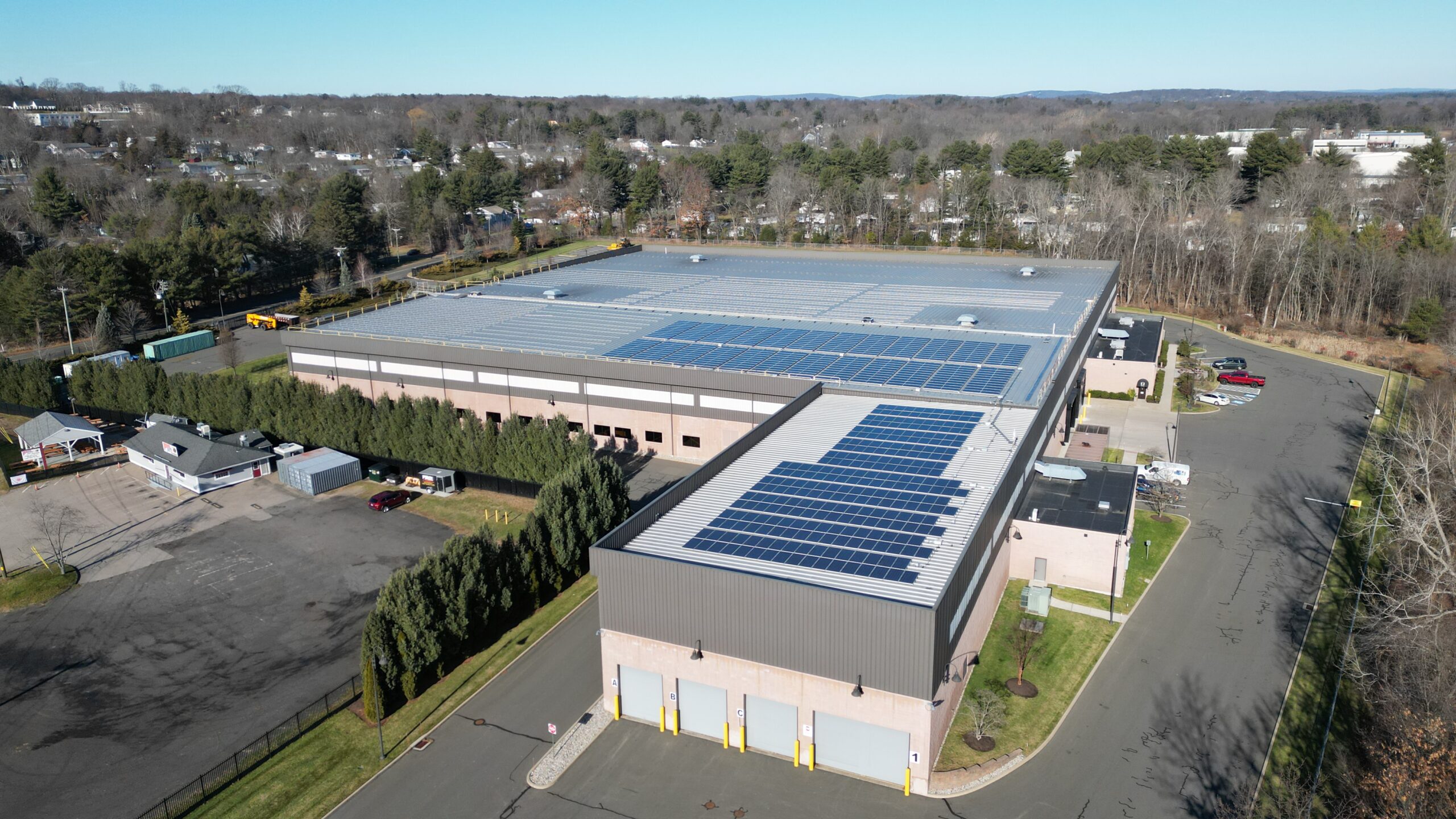
Rooftop Solar
Solar Plus Rooftops: A Match Made in Heaven
Discover why commercial rooftops and solar panels are the perfect partnership for energy savings.
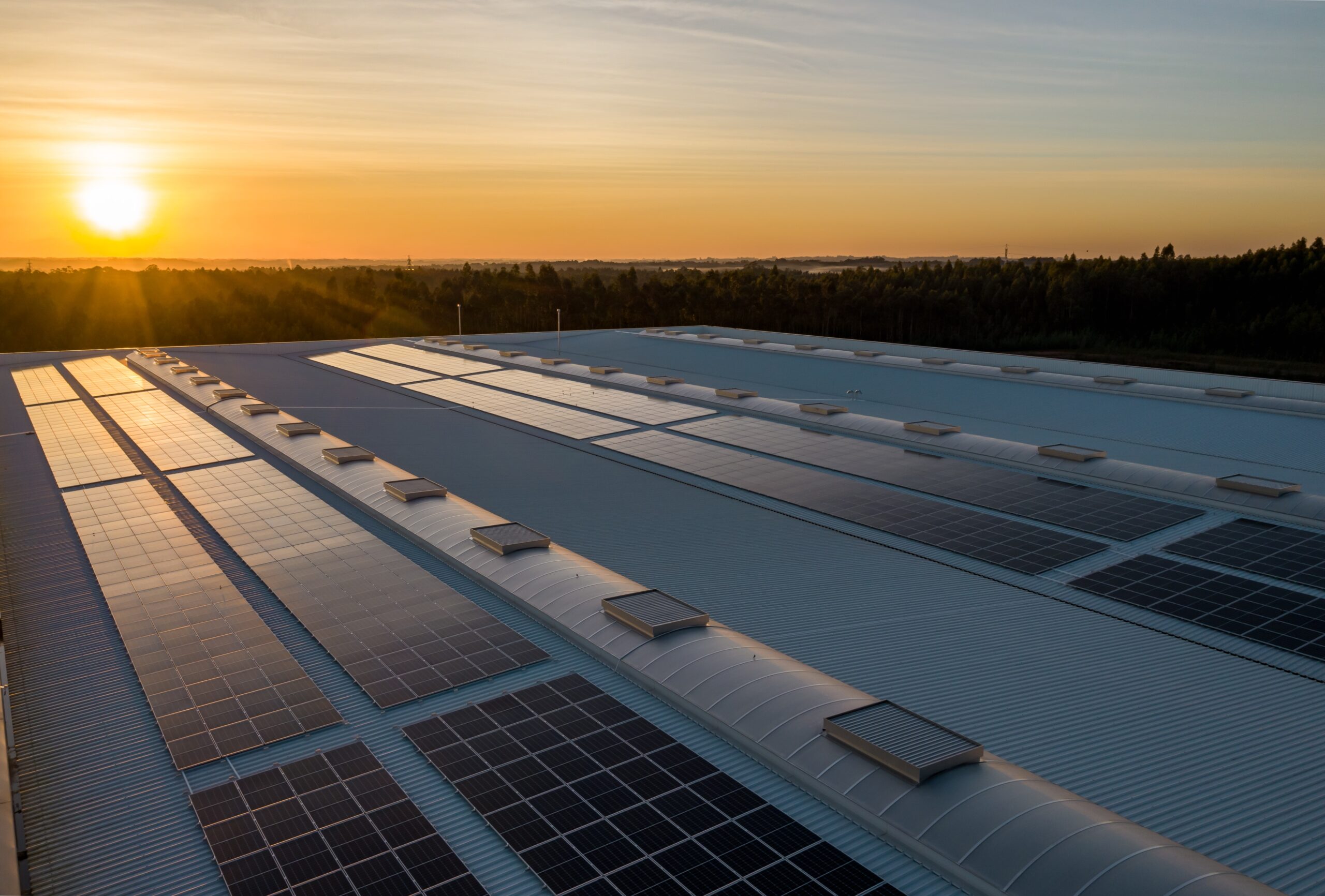
Market Insights
Solar Proves Its Mettle: Strong State Support Keeps Solar Valuable
State incentives and rising electricity prices continue to make solar one of the smartest investments around.